
Bad Magic in Michigan
Re'eh, El Sayed, and the Allure of Magical thinking

Last Shabbat, my husband and I were with friends and family in Deal, New Jersey, and our conversations kept circling back, strangely, to magic.
One friend described the rise of a new kind of healer: women trained by holy women in Israel, now “qualified” to heal, to advise on the soul’s reincarnations, to accompany pregnancy and childbirth.
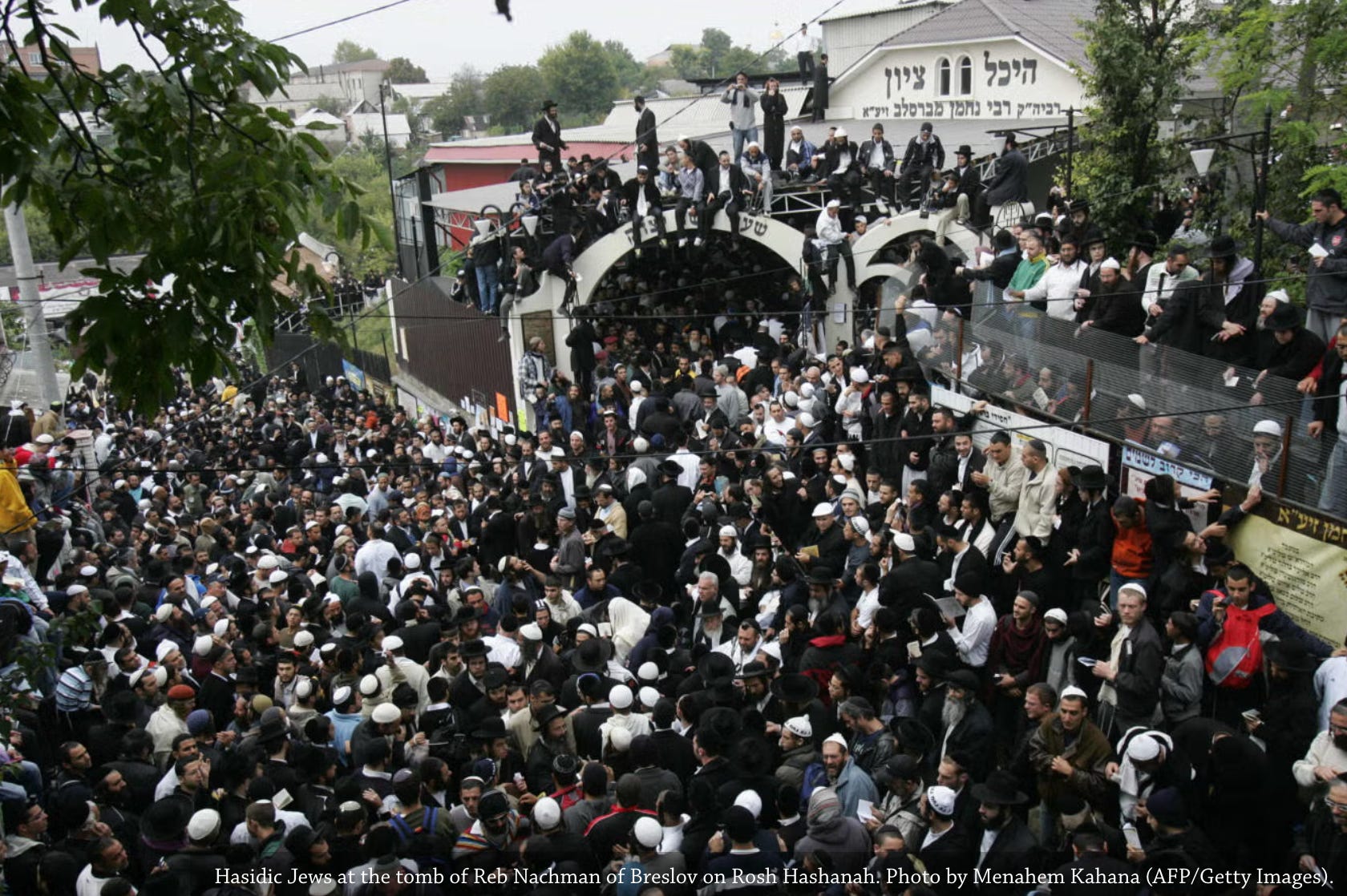
Another told us he is traveling to Uman for Rosh Hashanah, which opened a long conversation about holy men and prayers at graves. Someone shared that he had met sacred men who knew things they could not possibly know, and asked: If a man can perform wonders, shouldn’t we follow him?
Magic followed me into the week. Or maybe I was looking for it.
I took my six-year-old daughter to see Aladdin on Broadway, and as I watched, I realized: here was a street thief who steals from the rich to feed the poor, a candidate the DSA could run tomorrow, and the show’s answer to poverty and to longing is a magical genie.
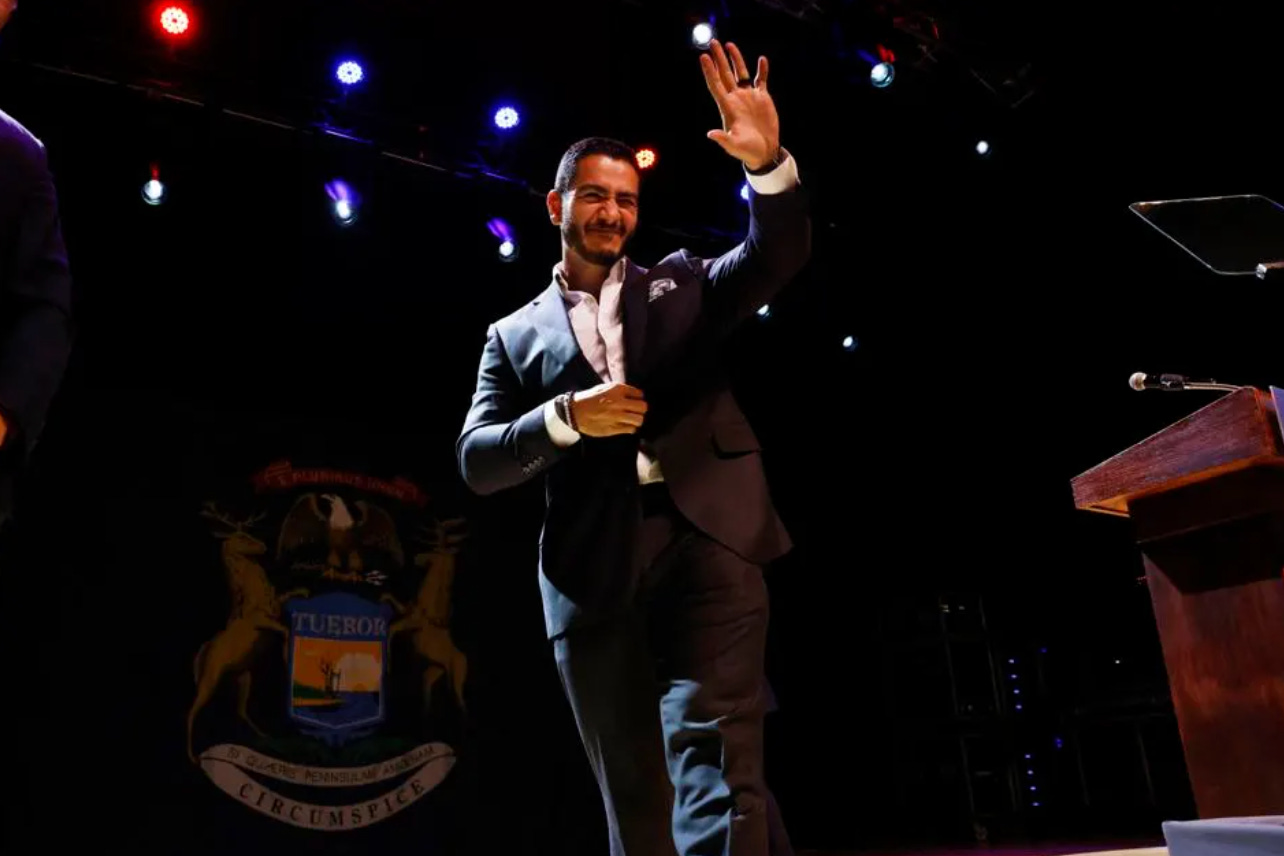
And then this week many of us watched, with dread, magic of a scarier kind: a monumental primary election in Michigan, where El-Sayed’s victory, celebrated loudly by Mamdani and his movement, rode the promise of tearing down what is and conjuring a utopia in its place.
All these things are new, but they are also very old. In this week’s parasha, Re’eh, Moses warns the people that false prophets and leaders will rise among them, offer a sign or a wonder, and seduce them into following the wonder instead of the word of God (Deut. 13:2-4).1
It does not matter what magic you think you see, Moses commands. Even a wonder that comes true is no license to follow it.
When I was younger, these verses confused me. Magic isn’t real, so why would the Torah bother to feel threatened by it? Now I read them differently.
The Torah understands that whether magic is real matters far less than what it knows about us: we humans are easily seduced by the promise of shortcuts.
And since we are living in our own moment of destructive magic, we need to understand its allure, and what the Torah offers us instead.
The Torah has always known how magic pulls at us, and it does not pretend Jews are immune. One of its most haunting cases is King Saul, Israel’s first king, who had fallen out of favor with God and descended into darkness and despair.
On the eve of his final battle, heaven went silent: God answered Saul neither by dreams nor by prophets. Terrified, the king disguised himself and went by night to a forbidden medium in Endor, asking her to raise the ghost of the now-deceased prophet Samuel to advise him (1 Samuel 28).

I want to put aside what actually happened in that encounter. What matters is why Saul did it: he was desperate. Repairing what he had broken with God would take time and the slow work of repentance, so he turned to magic instead.
There is something ironic and even pathetic in Saul’s quest. He tries to bring back Samuel through the very magic Samuel abhorred. It is the ultimate shortcut: an answer without a reckoning, an outcome disconnected from anything he would have to become.
This, more than anything else, is what magic offers, and why the desperate reach for it. Someone else will solve your problems; someone else will fix history. Your future gets transacted over your head, and you walk away lighter, believing no hard work is required to get what you want.
Moses, in his final speech, is preparing a people to live without him, and he offers them the opposite bargain. Blessing and curse are set before you, and they run through your choices, he says.
Re’eh then spells out the covenant’s unglamorous machinery for producing blessing: tithe your harvest, release the debts of the seventh year, open your hand to the poor. In Moses’s vision, there is no magic and there are no shortcuts.
The results in Michigan have filled me with dread. I expected them, and still I have spent too many hours playing out scenarios in my head. What happens if philosemitism continues to erode in the West? How isolated can Israel become? What kind of world will our children inherit?
My mind has not been a good place this week. (If you want to join me, read Aboubakr Mansour’s sober assessment of where we are.)
But panic is not a strategy, and as a wise friend reminded me, we must stay away from Pollyannaish predictions and from undue alarmism alike.
Here is the work we must instead take on:
First, understand the allure of the magic being peddled right now.
On Dan Senor’s Call Me Back podcast this week, the political analyst Mark Halperin pushed listeners to do exactly what our instincts resist: stop simply freaking out and start asking why.
This populist progressive movement is bigger than Mamdani and bigger than El-Sayed: the same night El-Sayed won, a DSA-backed challenger unseated a sitting Democratic congressman in Detroit, and dozens of DSA-backed candidates have won primaries this cycle.
It is not winning because voters reviewed the white papers. It is winning because it sells a story with the structure of magic: the system is rigged, sweep it away, and everything becomes possible. Until we understand those who seek to destroy what we hold dear, we will keep losing.
Second, clean our own house.
So much of Re’eh is exactly this: Moses inoculating Israel against the worship of Canaan before they ever meet it, warning them not to be ensnared, not even to inquire how the nations serve their gods (Deut. 12:30). That is our assignment.
Teach yourself and your community the history and danger of the red-green alliance. And train your children to recognize when someone is promising magic, and why it is so dangerous.
Third, hold on to this: magic always breaks.
We do not know how long this trend will last or how much wreckage it will leave behind, and fads with infrastructure outlast the people who predict their end.
So we must fight, and fight, and fight again, knowing this is not one election or one primary. It is a long war, and it demands a long view and a strategy, courage and the stamina to do hard things.
It’s been a hard week, my friends.
But here is my source of hope: for three thousand years, Jews have watched wonder-workers promise new worlds and easy salvation. Our ancestors built something stronger than magic. If we are wise, strategic, courageous, and committed to one another, we can build it again.
Shabbat Shalom,
Mijal
The Deuteronomy text speaks of a “sign or wonder”. Here, I approach this loosely as referring to magic.
I am alluding to the way the Bible and Jewish tradition describe the dangers of magic and wonder-workers. I am not, of course, suggesting that the punishment the Torah metes out for them (Deut. 13:6) is one we should apply to the examples of magic I gave here. Moreover, the rabbis themselves hedged capital cases with so many conditions that the Mishnah brands a court that executed once in seventy years a destructive one (Makkot 1:10).
This week I listened to Tal Becker's recent talk at Shalem College. He said 'I believe in the permanent possibility of the presently unimaginable.' He also said 'the opposite of conspiracy is Zionism'.
Conspiracy theories create a false sense of power for those who feel powerless. They are magical thinking. They are shortcuts. But believing in the unimaginable is the long game and Jews are the long game. The long game is rarely cool or charismatic
That can be terribly discouraging. But I derive great comfort from Tal's words. They remind me I belong to Jewish history from the beginning and our message, our power is the long game.
Brilliant analysis.