

We are about to celebrate Simchat Torah three years after October 7th, 2023, the date that changed the course of Jewish history and gave all of us a “before” and an “after.”
Before that day, we never had to ask what we were celebrating on Simchat Torah. We finished our beloved Torah, we started it again, and we danced. But now Simchat Torah will forever also hold the terrible tragedy that befell our people in southern Israel. The day has come to carry so much of the brokenness Jews around the world have lived with since.
As Rabbi Alex Israel wrote on Facebook:
“On the one hand, Simchat Torah is a day in which to celebrate the backbone of our tradition — the Torah itself, and the joy of completing and restarting the reading of the Torah. But on the other hand, this day is soaked in blood and pain. Hundreds of families have yahrzeit on this day, and we are far from healed from the wounds of this day. We still feel the pain so intensely.”
I’ll admit that I tried a few times this week to write something cohesive about this, about how to hold the pain and the joy at the same time, but it didn’t feel honest.
So let me do something simpler. Let me share three things that I am especially celebrating this year on Simchat Torah.
1. We Are Seeing Miracles
I keep thinking about Flight 1073.
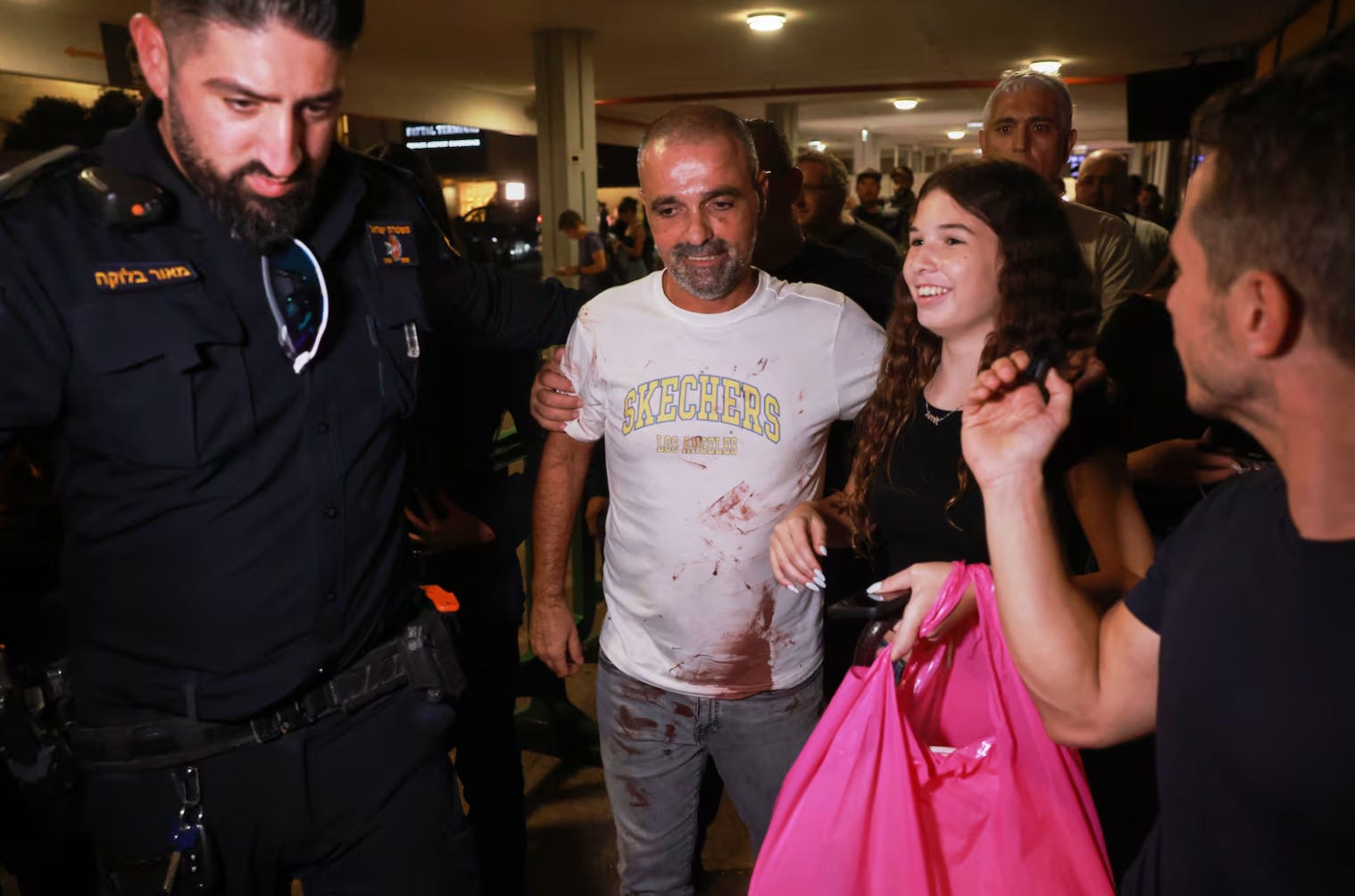
I was awake in New York with my baby, who had woken up crying, when I saw the news that a plane from Dubai to Tel Aviv was in distress. I held my breath with millions of Jews around the world until the plane was declared safe, long before we knew any of the details of what had happened, or of the heroism of the Israelis on board who stormed the cockpit and helped bring everyone home.
The details are too outrageous to even be on Fauda. A co-pilot attacking the captain in his own cockpit, a plane dropping more than 17,000 feet in two minutes, and a passenger using his TV-watching-based aviation knowledge to pull back on the controls while the plane was in a dive. You would think a movie based on this was fantastical.
Michael Oren, in his Substack, reflects that:
“… once the danger passed, the Jews of FZ1073 didn’t wallow, didn’t shrink, but instead broke into song. They sang words of the late 18th and early 19th-century Hasidic genius, Rabbi Nahman—“All the world is a narrow bridge, and the main thing is not to fear”—and “Am Yisrael Chai,” the people of Israel live.”
I am so grateful to these heroic Israelis, and I feel so grateful to God. Thank God, thank God the plane was saved.
Just imagine what kind of Simchat Torah we would be having instead.
Part of what moved me beyond words was feeling God’s protection. What a blessing to see it in the open, at a moment when we feel so vulnerable.
It brought back the relief and gratitude we felt a year ago around this time, when the last living hostages came home and we put away the pins and the wrinkled prayer cards with their faces. What a miracle. This Yom Kippur, I reminded my community how amazing it was that, for the first time in two years, we didn’t have to speak about the hostages all the time.
How wondrous it is to pray for something miraculous and see it happen.
I know that too often I get caught up in everything that is wrong and anxious about the future. Moments like this should stop us. They should make us recognize the awesome nature of God’s protection.
May it continue.
Let’s dance and celebrate these miracles.
2. We Are Defined by the One Who Loves Us
As we conclude the book of Deuteronomy over Simchat Torah, Moses speaks his last words to the people he led out of Egypt: “Who is like you, a people rescued by the Lord.”
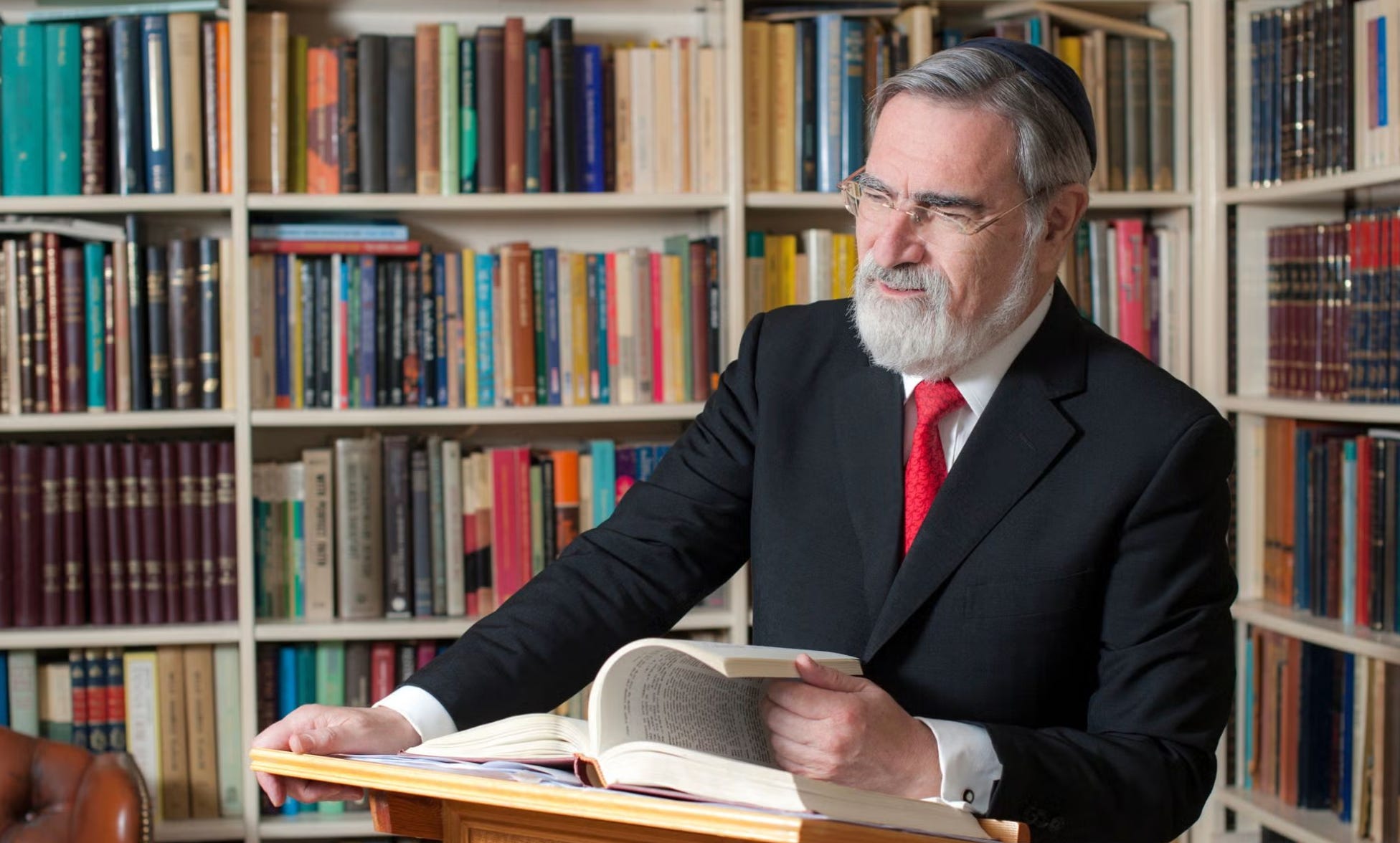
Rabbi Jonathan Sacks z”l writes that the message of this verse is that the real challenge facing the Jewish people was never military but spiritual. Then he describes that Jewish spirit in words that are profoundly moving:
“I find it moving that in all the centuries when they were considered pariahs by others, Jews were spared from the worst excesses of self-hatred. On the festivals they remembered the past and hoped for the future. On the Sabbath, however poor they were, they sat at the Sabbath table like free men and women, and sang. Though they could be racked by poverty, still they built houses of study and sat learning Talmud and cultivated the life of the mind. And though they were poor they knew there were others poorer than themselves, and they gave them aid, and invited them to their festive meals, and considered themselves bound by a covenant of mutual responsibility.”
We are not defined by those who do not like us.
This is how we have come through the Holocaust and still believe in life, lived through what Israel has lived through and still strive for peace, experienced the degree of hate poured out against us by some of Europe’s greatest minds and remain undefiled.
We still hear, every year, Moshe’s loving words to us, his children: “Who is like you?” To be a Jew is to be defined by the One who loves us: “a people rescued by the LORD.”
This is the spirit of Simchat Torah to me: Jews holding on to the Torah, to each other, and to our people, and dancing with abandon and joy.
We are not defined by those who hate us.
We are defined by the One who loves us.
3. We Will Always Dance in the Streets
I’ve always loved the story of Elie Wiesel’s visit to Soviet Russia on Simchat Torah. In October 1965, Wiesel traveled to Moscow to spend the holiday with Soviet Jews, and he wrote about the trip in his book The Jews of Silence.
Before the holiday, nearly everyone he spoke with told him the same thing. Jewish life in Russia was for the old. The young were estranged and assimilating, and there was no future.
The authorities seemed to agree, and they made sure the holiday would be a lonely one. Everyone who had entered the Great Synagogue over the High Holidays had been photographed. On Simchat Torah, giant floodlights were installed outside so the whole of Arkhipova Street was lit. No one was to forget that someone was watching.
They came anyway.
Thousands of young Jews filled the street outside the Great Synagogue.
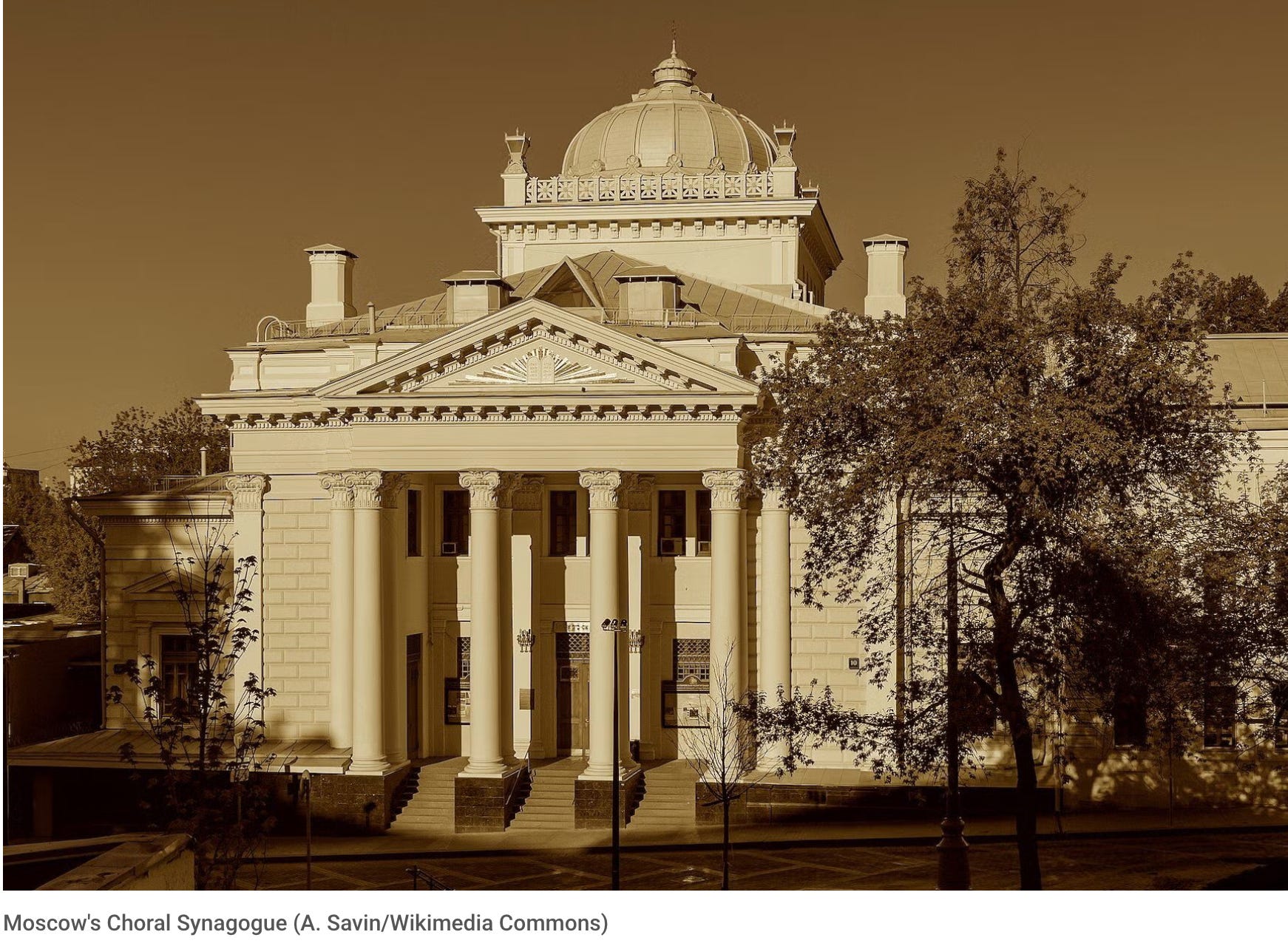
Many barely knew each other and knew less about Judaism. When the Torah scrolls came out, men who had not sung all year raised their voices. Old men lifted grandchildren onto their shoulders and told them to look and remember. A Jew in a worker’s cap pushed through the crowd, hummed the first stanza of Hatikvah in Wiesel’s ear, and vanished.
Wiesel later wrote that he had never witnessed joy until he witnessed Simchat Torah in Moscow, and he kept asking the same question all night: where did they all come from? Who told them it was tonight?
“If they come to the synagogue,” Wiesel wrote, “it is because they want to be among Jews.”
They came in spite of everything, and precisely because of every effort made to cut them off from their heritage. One evening a year, he observed, and somehow it made them capable of waiting until the next.
This Simchat Torah, even as we carry the pain and memory of Simchat Torah 2023, I hope we can also come back to three simple truths.
We are a people who experience God’s miracles.
We are defined by the One who loves us.
And we have always, always found our way back into the street to dance.
May Hashem continue to protect us, and may we merit a year of miracles we can see.
Hag Sameach,
Mijal
Love your message! May we all experience joy and be thankful for His miracles
Warm and encouraging as I have struggled to find a way to enjoy Simchat Torah