
What We Fight For
What Balaam's Blessing Can Teach Us After Tuesday's Election

Note: this Shabbat we read a double portion outside of Israel, Hukkat-Balak. In Israel, we read Balak. We are now back to reading the same Torah portions.
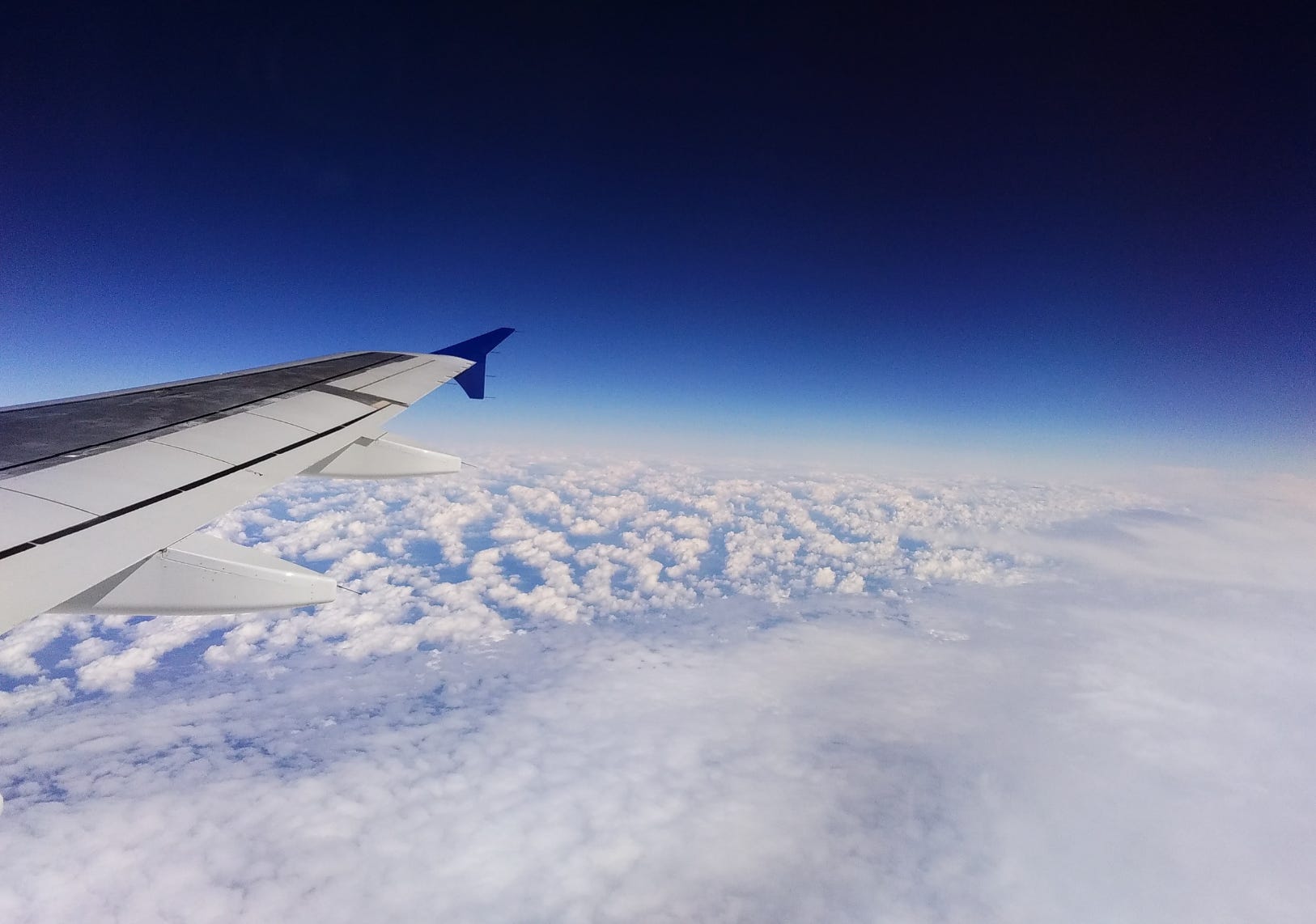
I read about Tuesday’s election results 30,000 feet over the Atlantic, four hours before landing in Israel, my twelve-week-old finally asleep in my arms.
The ecstasy of nearly arriving in Israel turned bitter. My mind was stuck in New York.
We suffered a significant defeat on Tuesday. In my own home state, many candidates backed by Mamdani and the DSA won their primaries, including a candidate who is openly anti-American and protested Israel on October 8th. Mamdani is now crowned as kingmaker. The DSA is reinvigorated and hungry to grow across the country.
This comes in a week when many of us already had growing concerns about the political right – not just the MOU with Iran but statements by the Vice President suggesting the Republican Party’s stance on Israel may be heading the way of the DSA.
We feel squeezed from both sides.
There will be time for postmortems, and God knows we need them. Most American Jews underestimate how badly we are losing and how quickly – in ways that are to some extent preventable. We spend too much time treating our moral indignation about antisemitism as though it will move the needle, when what we need is elbows-deep local politics and the hard work of building alliances.
But before the postmortem and the strategy, we need to be strong enough to fight. And for that, we must remember who we are and what we fight for.
This week’s Torah portion, Parashat Balak, offers just such a reminder. At its center is the story of a prophet who came to curse and destroy the Jewish people but who blessed us instead.
In the parashah, we encounter one of the only non-Jewish prophets in the Bible. The Moabite king Balak, threatened by Israel’s journey through the wilderness, hires Balaam to curse and destroy them.
Balaam’s journey is fabulous and famously involves a talking donkey. But in the end, he fails. God will not let him curse Israel.
Instead, this man, who came with the intent to harm – who saw Israel as a threat to be destroyed – opens his mouth and blesses us.
The most famous part of his blessing is the words that Jews say every single morning, usually without stopping to wonder where they came from:
Ma tovu ohalecha Yaakov, mishkenotecha Yisrael.
How goodly are your tents, O Jacob, your dwellings, O Israel.
He came to curse us. The words that came out despite himself were: how beautiful you are.
The rabbis explain that Balaam looked down at the Israelite encampment and saw that the tent openings did not face each other – the people had arranged themselves to protect one another’s privacy and dignity. That is what moved him to bless the tents.
I have been thinking this year about the contrast – not just between the curse and the blessing but their different lifespans.
The curse failed. It was a temporary weapon, commissioned by a king whose kingdom no longer exists. But the blessing stayed forever. It attached itself to our liturgy, to our mornings, to the threshold of every synagogue.
In the haftarah, the portion for the prophets we read this Shabbat, Micah – writing generations after Balaam – reminds Israel that it does not matter how mighty our enemies are.
If God protects us, no curse, no army, no empire can prevail. Micah also reminds us of what it means to live up to our potential as a people: What does the Lord require of you but to do justice, love kindness, and walk humbly with your God?
Balaam’s blessing was a reminder of our strength. The goodness of the tents was not a metaphor. It was a description.
On the plane, I had been texting with friends back home – the ones who have been sounding the alarm, organizing, trying to move people.
Three of them said some version of the same thing: what a catastrophic night. And we have no choice but to fight even harder.
They are right. Their words centered me. And then I landed in Israel and remembered what we are fighting for.
I walked to Gideon Park in Baka around four in the afternoon to grab a coffee and try to fight the jet lag.

The park was filling up with children pouring out of school, parents meeting them, and the easy chaos of a culture built around big families and working parents.
It looked nothing like the Manhattan parks I know, teeming with nannies on weekdays. These were the parents themselves, sitting on benches, calling after kids, laughing.
I stood there with my coffee and found myself murmuring a prayer: let this place that is so alive stay alive. Let it become stronger. Let the tents stay beautiful.
Later that evening, we took the bus to the old city. I showed my children the Moovit app – a single interface for every ride in the country, elegant, efficient, so far ahead of NY’s MTA that it is almost embarrassing.
And then I showed them the street signs, named after the tribes of Israel and the rabbis of the Mishnah and the Talmud. My older children were running ahead to read the next sign, and I was walking behind them mumbling my gratitude again – that we get to be here and taste two thousand years in the names on the street corners. Every step here is a prayer.
These are not miracles. They are something better: the ordinary texture of a people who have been here for thousands of years and intend to be here for thousands more.
This is why I came here with a twelve-week-old who will make the nights longer. To remember that the worry and the wonder are inseparable – that we carry the weight because this people, this land, and this impossible story is worth every ounce of it.
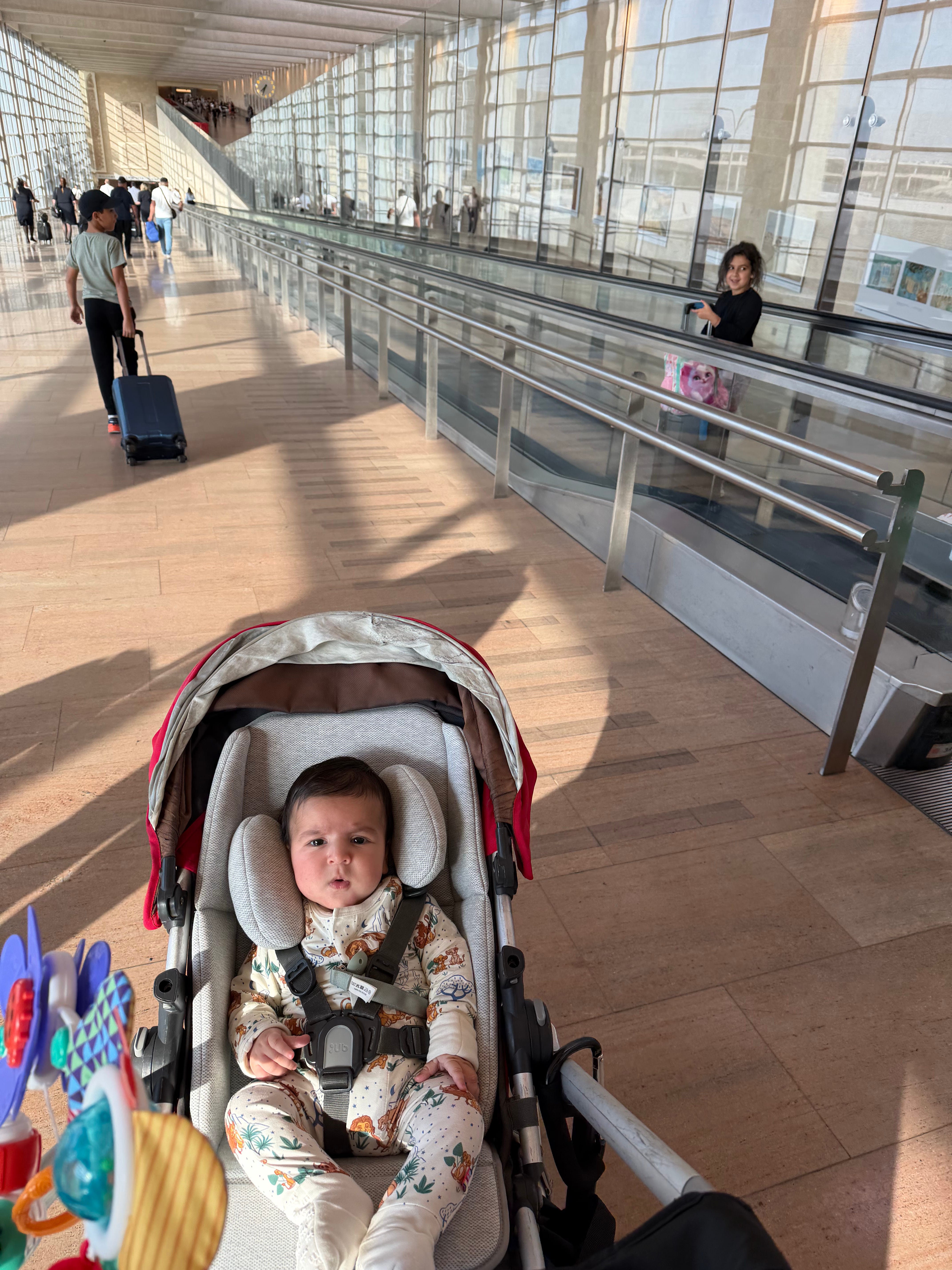
Balaam looked down at the Israelite encampment – exhausted, wandering, imperfect – and could say nothing but a blessing.
What he saw was the truth that has outlasted every empire that ever tried to erase us: the inner life of the Jewish people is indestructible. Our enemies’ rage burns hot and then burns out. We remain.
Where is Balak’s kingdom today? The Moabites are gone. Almost every nation that commissioned our destruction across the centuries is dust. And every single morning, Jews wake up and the first words out of our mouths are the words of a man who tried to curse us and could not.
Tuesday was a bad night. There will be more. But I have no doubt that the DSA will come and go. The activists who protest outside synagogues and rage against bills to protect Jewish schoolchildren will come and go. Our strength is not measured in election cycles.
We have work to do when we get home. But the strength to do that work comes from something older: from knowing who we are, from the ordinary goodness of the tents.
It is still true. Go outside and look.
Ma tovu. How goodly. How beautiful.
Shabbat Shalom,
Mijal
Mijal your writing makes me weep with sadness joy and maybe even a smidgen of hope all at the same time.
enjoy your family as you reenergize in Israel
Shabbat Shalom
What a powerful observation to notice at the park. I notice that myself too. The inner Jewish life and Jewish home is why ive been working in Jewish education for the past 8 years..but of course- everything starts at home and particularly with the Jewish woman. As always, its a pleasure to read these!